



















Growing Strong: The Importance of Plant Health Monitoring for Thriving Gardens
When it comes to maintaining a beautiful and thriving garden, one of the key elements to consider is the health of your plants. Monitoring the health of your plants is crucial for ensuring they are able to grow strong and produce vibrant flowers or bountiful harvests. In this article, we will explore the importance of plant health monitoring and provide valuable tips on how to keep your garden in top condition.
Why is Plant Health Monitoring Important?
Plant health monitoring is essential for several reasons. Firstly, it allows you to identify any potential issues early on, before they have a chance to spread and cause serious damage to your plants. By regularly monitoring the health of your plants, you can catch problems such as pests, diseases, or nutrient deficiencies before they become too severe.
Additionally, plant health monitoring can help you optimize your gardening practices. By keeping track of how your plants are growing and responding to different conditions, you can adjust your watering, fertilizing, and pest control strategies to ensure your plants are receiving the care they need to thrive.
How to Monitor Plant Health
There are several ways you can monitor the health of your plants. One of the simplest methods is to visually inspect your plants on a regular basis. Look for any signs of pests, diseases, or nutrient deficiencies, such as yellowing leaves, wilting stems, or spots on the leaves. You can also use tools such as a magnifying glass to get a closer look at any potential issues.
Another important aspect of plant health monitoring is to keep track of environmental conditions, such as temperature, humidity, and sunlight levels. These factors can have a significant impact on the health of your plants, so it’s important to monitor them regularly and make any necessary adjustments to ensure your plants are receiving the optimal growing conditions.
Tools for Plant Health Monitoring
There are several tools available that can help you monitor the health of your plants more effectively. One popular tool is a soil pH tester, which can help you determine if your soil is too acidic or alkaline for your plants. Another useful tool is a moisture meter, which can help you determine if your plants are receiving the right amount of water.
For more advanced plant health monitoring, you can invest in a digital plant sensor, which can provide you with real-time data on factors such as temperature, humidity, and light levels. These sensors can help you track the health of your plants more accurately and make any necessary adjustments to ensure they are growing strong.
Common Plant Health Issues
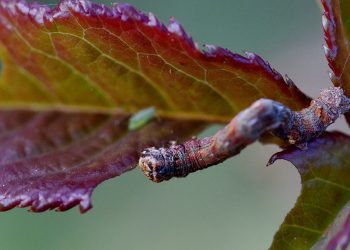
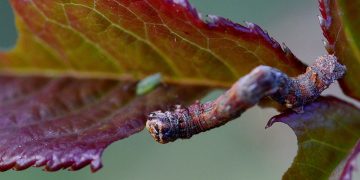
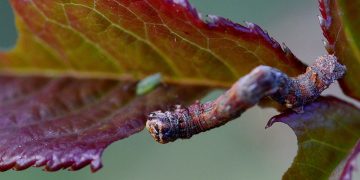
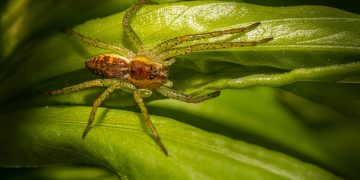
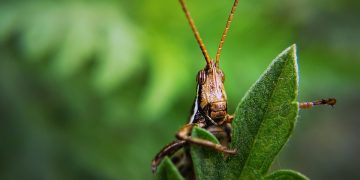
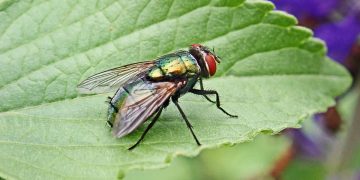
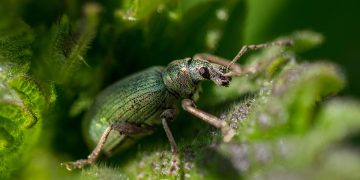
There are several common plant health issues that gardeners may encounter. One of the most common problems is pest infestations, such as aphids, mites, or caterpillars. These pests can damage your plants by feeding on the leaves or sucking the sap from the stems, so it’s important to monitor your plants regularly for any signs of infestation.
Another common issue is fungal diseases, such as powdery mildew or black spot. These diseases can cause unsightly spots or discoloration on your plants, and if left untreated, can lead to wilting or even death of the plant. By monitoring your plants regularly, you can catch these diseases early on and take steps to treat them before they become too severe.
Tips for Plant Health Monitoring
Here are some valuable tips for monitoring the health of your plants:
- Inspect your plants regularly for any signs of pests, diseases, or nutrient deficiencies.
- Keep track of environmental conditions, such as temperature, humidity, and sunlight levels.
- Use tools such as soil pH testers, moisture meters, and digital plant sensors to monitor your plants more effectively.
- Take action immediately if you notice any issues with your plants, such as yellowing leaves or wilting stems.
- Consult with a professional gardener or horticulturist if you are unsure about how to address a particular plant health issue.
Conclusion
Plant health monitoring is a critical aspect of maintaining a thriving garden. By regularly monitoring the health of your plants, you can catch potential issues early on and take steps to ensure your plants are growing strong and healthy. By using tools such as soil pH testers, moisture meters, and digital plant sensors, you can monitor your plants more effectively and make any necessary adjustments to optimize their growing conditions. With proper plant health monitoring, you can enjoy a beautiful and bountiful garden for years to come.